
Beneath the Surface: Where Sustainable Yield Truly Begins
In agriculture, we often celebrate what we can see: the canopy, the flowers, the fruit. But the real engine room of plant performance is hidden in the soil. Exploring how Root System Architecture (RSA) shapes everything from nutrient capture to climate resilience. The more we learn, the clearer it becomes: the next agricultural revolution is happening underground. A plant’s survival strategy is encoded in its root design.
Architecture: Taproot vs. Fibrous
Taproots: the deep divers: Common crop examples: Soybean, Alfalfa, Sugar beet, Canola etc. These crops send a dominant root straight down, tapping deep moisture and anchoring the plant. These crops excel in drought resilience, deep nutrient mining, and long-term soil structure improvement.
Fibrous roots: the surface foragers: Common crop examples: Corn, Wheat, Barley, Rice etc. These crops spread a dense web of fine roots across the topsoil, maximizing nutrient capture where fertilizers and organic matter accumulate. Fibrous systems shine in high-fertility zones, respond strongly to banded nutrients, and play a major role in erosion control.
Early Root Development
The first two weeks decide the season before RSA becomes visible, the foundation is laid in the first two weeks after planting. This early window determines: Rooting depth, Lateral branching potential, Nutrient foraging capacity and Stress tolerance under drought or cold soils.
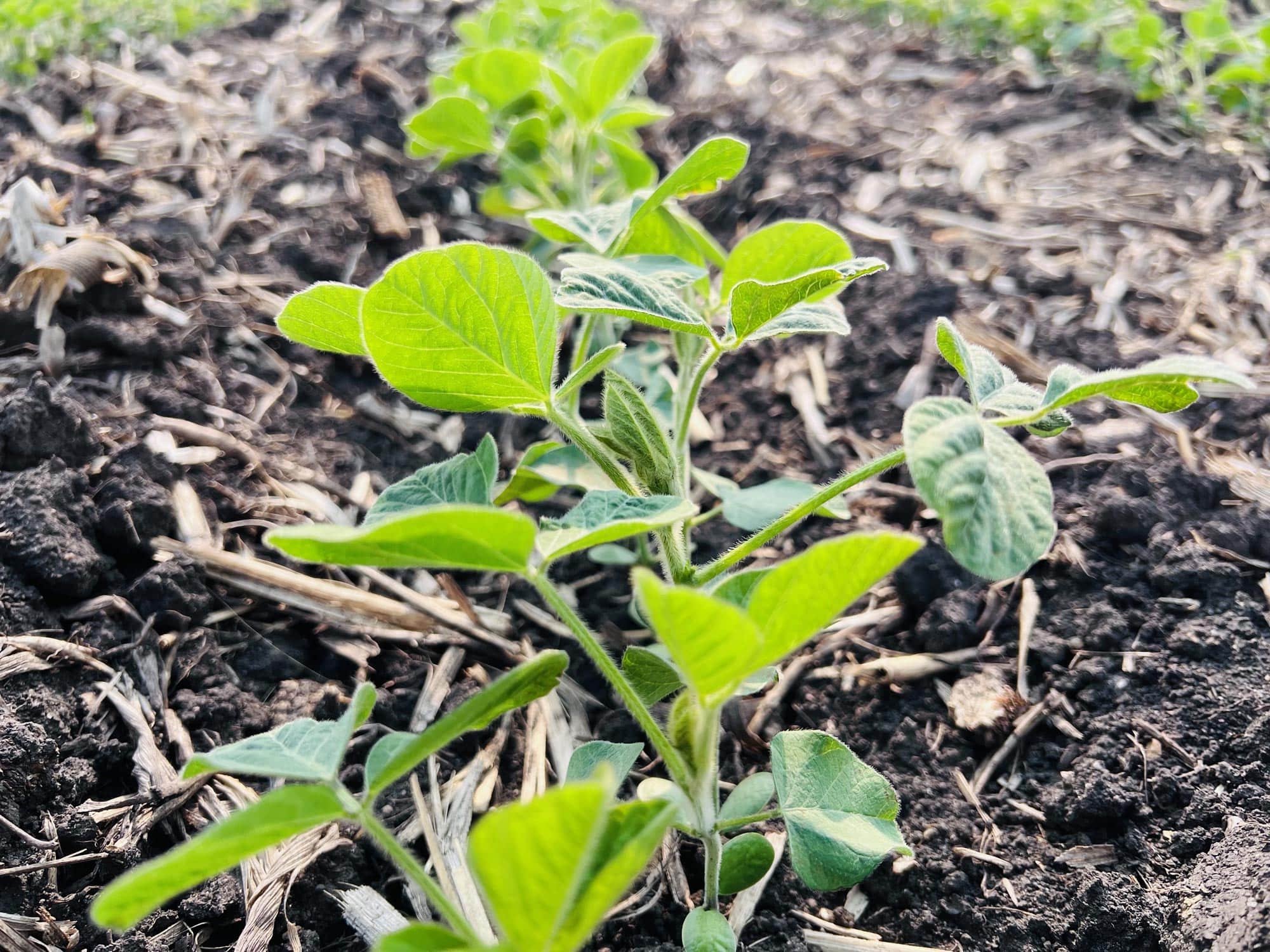
A seed that germinates quickly and establishes a strong radicle gains a permanent advantage. Conversely, slow or uneven emergence leads to weaker root systems, delayed nutrient uptake, and yield drag that no amount of fertilizer can fully correct.
This is where seed treatments play a transformative role.
A stronger start underground leads to better NUE throughout the season. With fertilizer prices fluctuating and nutrient runoff under scrutiny, NUE has become one of the most important metrics in modern agriculture. It’s not about how much we apply, it’s about how much the plant can actually use.
High-efficiency root systems leverage:
Chemotropism: roots actively sniff out nutrient-rich patches and branch toward them.
Symbiotic Alliances: micro - biology extend the plant’s reach beyond the root tip.
Membrane Transporters: specialized proteins that pull nutrients into the plant even when soils are depleted.
Roots aren’t passive structures. They are dynamic, decision-making organs.
